Some links in this guide may be affiliate links. If you book through one, we may earn a commission at no extra cost to you. How that works
One quart-sized bag, containers of 3.4 ounces or less, and a short list of exemptions. Here is what TSA allows in carry-ons, and how duty-free, formula and breast milk are treated.
The TSA 3-1-1 rule decides which liquids can ride in your carry-on through airport security. It trips up more travelers than any other checkpoint rule, usually because a container is over the size limit or a bag is missing. Here is how the rule works, which items are exempt, and what happens to duty-free bottles and medications.
The 3-1-1 Rule: Sizes, Bags and How It Works
Each passenger may bring one quart-sized, clear, plastic, zip top bag of liquids, aerosols, gels, creams and pastes through the checkpoint. Every container must hold 3.4 ounces (100 milliliters) or less, and all of your liquid items must fit inside that single bag. The nickname bundles the key numbers: 3.4 ounces per container, one quart-sized bag, one bag per passenger.
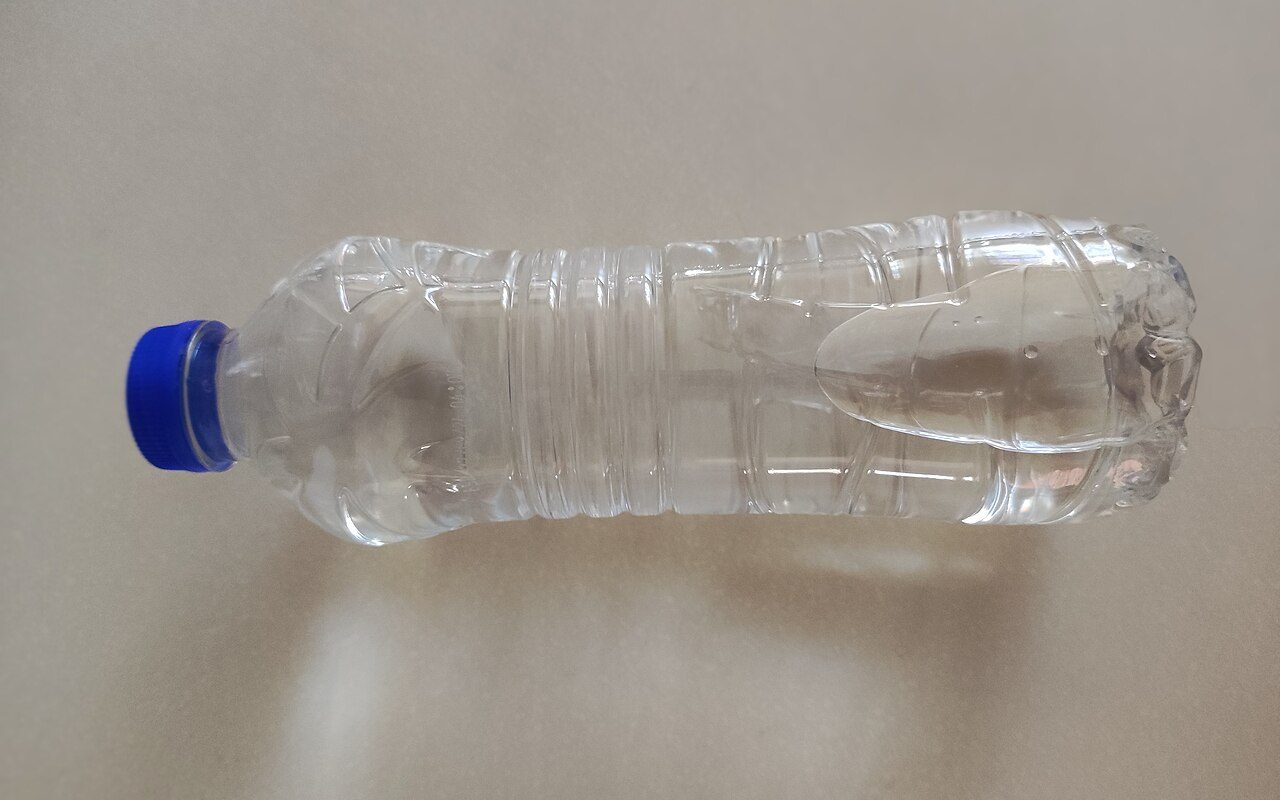
In the standard screening lane, remove the bag from your carry-on and place it in a bin. Containers larger than 3.4 ounces must go in a checked bag, and so must any beverage you have not finished. TSA’s advice on water, coffee and energy drinks is plain: finish them before you get to the checkpoint.
Travel tip
Start with an empty bag so nothing prohibited is hiding in a pocket, then pack the 3-1-1 bag in the front pocket of your carry-on so it comes out quickly at the checkpoint.
What Counts as a Liquid
The rule reaches past obvious liquids. TSA treats liquids, aerosols, gels, creams, pastes and spreadables the same way, which is why toothpaste, shampoo, sunblock and hair gel all end up in the quart bag or the checked bag. Hand sanitizer follows the 3-1-1 rule too, with a 3.4 ounce limit per container.
A few specifics worth knowing:
- Mini bottles of alcohol in carry-on must be able to comfortably fit into the single quart-sized bag.
- Aerosol release devices must be protected by caps or other means to prevent accidental release.
- If you are unsure about an item, use the “What Can I Bring?” search on the TSA website or the MyTSA app. AskTSA also offers live assistance from 8 a.m. to 7 p.m. ET on weekdays and 9 a.m. to 7 p.m. on weekends and holidays.
Exempt Items: Formula, Breast Milk and Baby Food
Formula, breast milk, toddler drinks, juice and baby or toddler food, including puree pouches, are allowed in carry-on bags in quantities greater than 3.4 ounces and do not need to fit in the quart-sized bag. TSA treats these as medically necessary liquids. Your child does not need to be traveling with you, and the exemption covers breast milk pumping equipment whether or not it holds milk.
Tell the officer at the start of screening that you are carrying these items, then remove them from your bag for separate screening. Officers may test the liquids for explosives or concealed prohibited items. Clear, translucent bottles screen more smoothly than plastic bags or pouches, which may require alternate screening such as explosive trace detection. Ice packs, freezer packs and gel packs used to cool these items are allowed regardless of whether breast milk is present, though partially frozen or slushy packs get the same screening as the liquids themselves.
TSA X-ray machines do not harm food or medicine. If you do not want items X-rayed or opened, tell the officer; you and your other property will go through additional screening instead. Travelers with disabilities or medical conditions can call the TSA Cares helpline at (855) 787-2227, ideally 72 hours before flying, and can check the What Can I Bring list for rules on specific medications.
Duty-Free Liquids and Connecting Flights
Duty-free bottles over 3.4 ounces can ride in your carry-on on a flight to the United States with a connection, but only if all of the following are true:
- The liquids were purchased internationally, and you are traveling to the U.S. with a connecting flight.
- The retailer packed them in a transparent, secure, tamper-evident bag that shows no signs of tampering.
- You have the original receipt, and the purchase was made within 48 hours.
The bag still has to be screened and cleared, and any item that alarms or cannot be screened will not be permitted in your carry-on. TSA recommends packing liquids over 3.4 ounces in checked baggage even when they are in a tamper-evident bag. Liquids over that size not in such a bag must be checked. Leave the bag sealed until you have cleared your final security checkpoint, because signs of tampering cost you the exemption.
What Happens if an Item Is Flagged
TSA says even a generally permitted item can face additional screening or be kept out of the checkpoint if it triggers an alarm, appears to have been tampered with or poses other security concerns. Any liquid, gel, cream or paste that alarms during screening requires additional screening. The most common thing that slows travelers down is a prohibited item in a carry-on, most often oversized liquids, so give yourself enough time at the airport to sort out a surprise.
Checked Bags: When the Size Limit Does Not Apply
The 3-1-1 rule governs carry-ons only. Anything over 3.4 ounces, from shampoo to sunblock, belongs in a checked bag. Checked baggage has its own limits on some of the same items:
- The FAA caps restricted medicinal and toiletry articles, including aerosols, at a total of 2 kg (70 ounces) or 2 L (68 fluid ounces) per person, with no single container over 0.5 kg (18 ounces) or 500 ml (17 fluid ounces).
- Alcoholic beverages with 24 percent alcohol or less are not subject to limits in checked bags. Those with more than 24 percent but not more than 70 percent are limited to 5 liters (1.3 gallons) per passenger and must be in unopened retail packaging.
The 3-1-1 rule is only part of clearing security. You also need identification TSA accepts, which we cover in REAL ID and Airport ID. A trusted traveler program can shorten the wait at participating airports, so if you fly often, see which program fits your trips.
Before you go
- Carry-on liquids, aerosols, gels, creams and pastes must be in containers of 3.4 ounces (100 milliliters) or less, and all of them must fit in one clear, quart-sized, zip top bag.
- Formula, breast milk, toddler drinks and baby food, including puree pouches, are exempt from the quart bag rule and are treated as medically necessary liquids.
- Duty-free liquids over 3.4 ounces are allowed on a connecting flight to the U.S. only in a sealed, tamper-evident bag with the original receipt from a purchase made within 48 hours.
- Larger containers belong in checked bags, where the FAA caps restricted medicinal and toiletry articles, including aerosols, at 2 kg (70 ounces) total per person.
- Even a permitted item can face additional screening or be kept out of the cabin if it triggers an alarm, appears tampered with or raises security concerns.
Travelers also ask
Q: Does the 3-1-1 rule apply to checked bags?
A: No. The size and bag limits apply only to carry-ons going through the checkpoint. Containers larger than 3.4 ounces go in checked baggage, subject to FAA limits on aerosols and alcohol.
Q: Can I bring breast milk through security without my baby?
A: Yes. Breast milk and formula are considered medically necessary liquids, and your child does not need to be present or traveling with you. Remove them from your carry-on for separate screening.
Q: Can I take a water bottle through the checkpoint?
A: Not if there is liquid in it. TSA’s advice is to finish the bottle of water, coffee or energy drink before you reach the checkpoint.
Q: Will my duty-free bottle survive a connecting flight in the U.S.?
A: Only if the retailer sealed it in a transparent, secure, tamper-evident bag, you have the original receipt, and the purchase was made within 48 hours. Anything that alarms or cannot be screened will not be allowed in your carry-on.
Fees, processing times and agency rules change, and airline and hotel policies vary. This guide is general information for travelers in the U.S.; confirm the current rules with the agency, airline or hotel before you travel.